On October 21 I will be speaking at a TableTalks session at CREtech New York on where AI is shaping capital deployment in data centers, energy and advanced manufacturing. This article is my preparation for that conversation. The short version is that AI is moving capital in three very different ways, and the three are tied together by one physical constraint.
Capital follows the constraint, and the constraint has moved
Two years ago the scarce input for AI was chips. Today the scarce input is power, and then everything that surrounds power: land, transformers, turbines, permits and skilled labor. Morgan Stanley Research estimated in February 2026 that U.S. data center demand could reach about 74 GW by 2028, with a shortfall of roughly 49 GW in available power access. When the bottleneck moves, capital moves with it. Money that used to chase compute is now chasing electrons.
Data centers: the largest single destination
The four largest cloud providers have guided to combined 2026 capital spending of roughly $700 billion or more, according to company reports as summarized in the trade press. Alphabet, Amazon and Meta each moved their guidance up this year. The companies define capital expenditure differently, so the total is a signal of scale and not a precise construction number.
What matters for a financier is how that spending is paid for. Morgan Stanley's view is that the hyperscalers can fund about half from their own cash flows, with debt markets covering the rest. Bloomberg reported in early 2026 that Morgan Stanley and Moody's put the total data center build-out at $3 trillion or more, and that JPMorgan sees more than $5 trillion once power supply is included. Capital of that size cannot come from one place, so it is being split into layers: investment-grade bonds, project finance, securitizations, private credit and joint-venture equity. I wrote about how those layers fit together in a separate article on financing data centers.
Energy: where capital has to get creative
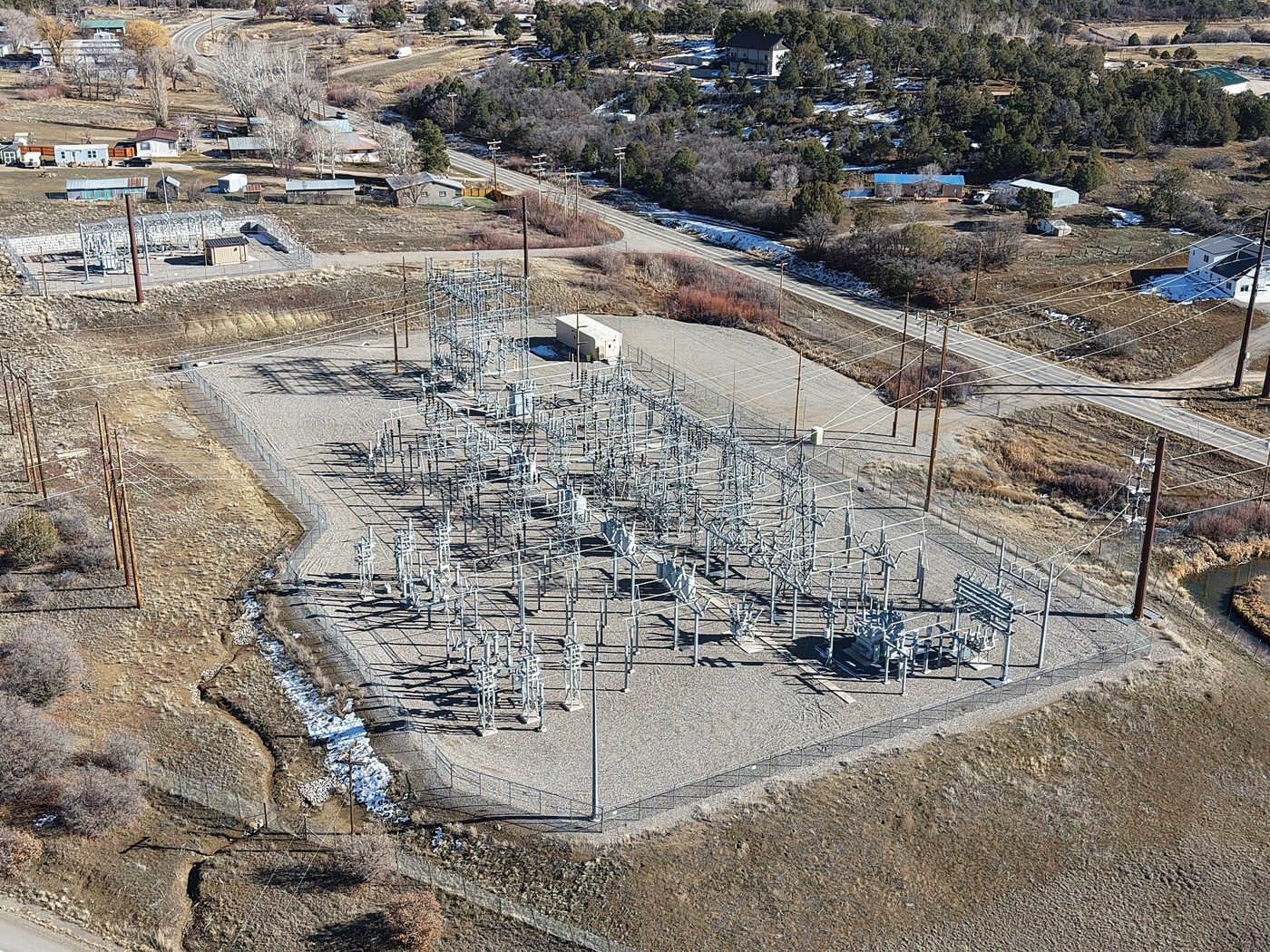
The grid cannot add capacity at the speed data center developers want, so developers are building around it. RBC Capital Markets counted about 101 GW of announced behind-the-meter gas generation in 2026, while cautioning that some of it is speculative. Global gas turbine orders reached an estimated 100 GW by the end of 2025 against manufacturing capacity of roughly 60 to 70 GW a year, and new orders carry premiums of 10 to 20 percent over the existing backlog. ERCOT alone had around 356 GW of data center interconnection requests in March 2026, which tells you how much of the queue is hope.
This changes who the counterparties are. A data center sponsor now needs a power strategy that looks like an independent power project: fuel supply, turbines, interconnection and often a utility or a power purchase agreement. Utilities, midstream companies, equipment makers and infrastructure funds are all being pulled into the same transaction. Local politics matter as well. RBC reports that 20 states have enacted large-load tariffs and that at least 25 projects were canceled in 2025 after community opposition.
Advanced manufacturing: slower, more granular, and real
Manufacturing is where AI shows up in two forms. The first is demand: AI hardware and its supply chain need new factories, which is why semiconductor commitments are so large. TSMC says its total U.S. investment is expected to reach $165 billion, and Samsung describes its Taylor, Texas fab as a $17 billion initial investment. The second is the use of AI inside the factory, through analytics, vision systems, robotics and what the industry calls physical AI.
The second form moves more slowly and in smaller tickets. A 2025 Deloitte survey found that 80 percent of manufacturers planned to put at least a fifth of their improvement budgets into smart manufacturing. Permanent full expensing of new equipment under the One Big Beautiful Bill Act makes that kind of capital spending easier to justify. Yet manufacturing employment has been flat for two years, and U.S. labor costs remain far above those of low-cost countries, so the economic case still depends on automation delivering real productivity and not just a better slide.
Where AI is still absent from the deployment process
It is easy to say AI is reshaping capital deployment, and harder to find AI in the deployment process itself. In my experience deals still depend on people reading leases, calling utilities, walking sites and checking whether a contractor can really deliver. Site selection, vendor qualification and construction oversight are areas where data and models can add a great deal, and they are also areas where a wrong answer is expensive and someone has to own it.
That ownership question is the one I want to put on the table in New York. If a model flags a risk and the owner ignores it, or fails to flag one and the project is late, who is accountable: the owner, the general contractor, the lender or the tool vendor? Until that is settled in contracts and in credit documents, human judgment stays in the loop, and capital will price accordingly.
What I am watching
Three things will decide how this plays out. First, whether power arrives on the timeline developers assume, because lease economics break when the building is finished and the electricity is not. Second, whether lenders keep accepting the same tenant credit and residual value structures as the volume grows. Third, whether AI tools in diligence and oversight prove themselves with a track record that lenders and insurers will underwrite. Capital will go where those three questions have good answers.
This article is general information, not legal, tax, investment or insurance advice, and it is not an offer of securities or investment banking services. The views are my own and are not those of Oberon Securities. Figures are third-party estimates or company statements as reported, and they change.
Related articles
- Why Rothswell is being built as one platform
- What New York's Regulation 187 means when you buy life insurance
- Why Bobby charges providers a flat dollar